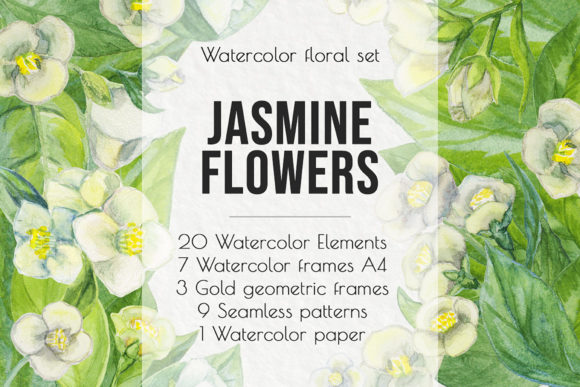
Elevate Your Projects with Jasmine Flowers Watercolor Clip Art
In the vast world of digital design assets, finding a collection that is both aesthetically beautiful and technically robust can be a challenge. The Jasmine Flowers Watercolor Clip Art set stands out as a particularly versatile solution. This collection is not merely a bundle of generic floral images; it is a curated toolkit of hand-painted, high-resolution elements in a soothing palette of greens, designed to bring an organic, elegant touch to a multitude of creative projects.
The Allure of Authentic Watercolor Assets
Many creators gravitate towards watercolor-style graphics for their soft textures, gentle transitions, and inherent sense of artistry. However, a common oversight is choosing assets that are digitally simulated rather than authentically painted. Digitally mimicking watercolor often results in flat, repetitive textures that lack the subtle imperfections and depth of real brushwork. The Jasmine Flowers Watercolor Clip Art set bypasses this issue entirely because each illustration was physically painted on watercolor paper, scanned at high resolution, and meticulously cleaned. This process preserves the genuine character of watercolor—the bleed of pigments, the paper grain, the unique washes—which translates to a more credible and premium feel in your final designs.
This authenticity is crucial when the design project demands a sense of luxury or personal touch, such as in wedding stationery. Using a digitally simulated floral element on a wedding invitation can unintentionally make the design feel mass-produced or generic. Incorporating a hand-painted jasmine element, with its nuanced color gradients and organic shapes, immediately elevates the perceived value and emotional resonance of the piece.
Navigating Resolution and File Format Confusion
A technical point that often trips up both beginners and seasoned professionals is misunderstanding the relationship between resolution, file format, and intended use. This collection provides assets in different resolutions: 600 dpi PNGs for the elements and 300 dpi JPGs/PDFs for the frames. A frequent mistake is using a 300 dpi frame for a large-format print project, like a poster, which can lead to pixelation or blurriness. Conversely, using a massive 600 dpi, 5000 px element for a small web icon wastes file size and can slow down website performance.
The practical advice here is to match the asset to its final destination. Use the high-resolution PNG elements (2000 px to 5000 px) for any print-based work or where you need to scale the graphic significantly. The 300 dpi A4 frames are perfectly suited for standard-sized print items like invitations, certificates, or flyers. For digital backgrounds, the seamless patterns at 3600x3600 px offer ample size for web or blog backgrounds without compromising quality. Always check the project specifications before placing an asset; this simple step prevents quality degradation and ensures a polished outcome.
Overlooking the Power of Coordinated Sets
Many designers approach clip art collections by picking a single favorite element and using it in isolation. While this can work, it overlooks the significant efficiency and cohesive beauty offered by a fully coordinated set. The Jasmine Flowers Watercolor Clip Art bundle includes not just isolated flowers, but also frames, geometric accents, and seamless patterns all within the same green palette. A common result of using disparate elements from different sources is a disjointed design that feels pieced together, requiring extra time to color-match and style-align.
A better approach is to view the collection as a complete design system. Start a project by using one of the seamless patterns as a background. Then, layer a few of the watercolor jasmine elements atop it. Finally, enclose your text within one of the complementary watercolor or gold geometric frames. This workflow ensures visual harmony and drastically reduces the time spent on asset coordination. It transforms the process from hunting for matching pieces to executing a swift, professional design.
Misapplication in Commercial Contexts
A critical, often overlooked detail is the license and intended use. While this article describes the artistic and technical attributes, you must always verify the specific license of the product you purchase. However, a general principle with such asset sets is to understand their scope. These graphics are typically created for personal and commercial projects, but a mistake is using them in a way that suggests they are your own original paintings or as a core part of a logo for trademarking. This can lead to ethical and legal complications.
The constructive way to leverage such assets is as design components. Use them to create decorative backgrounds for your wedding website, as patterns for printed fabric for a small boutique, or as elegant embellishments on your blog posts and marketing materials. They are tools to enhance your original content, not replace it. This mindset ensures you use the Jasmine Flowers Watercolor Clip Art effectively and responsibly, adding value to your unique work.
The Gold Geometric Frames: A Hidden Bridge
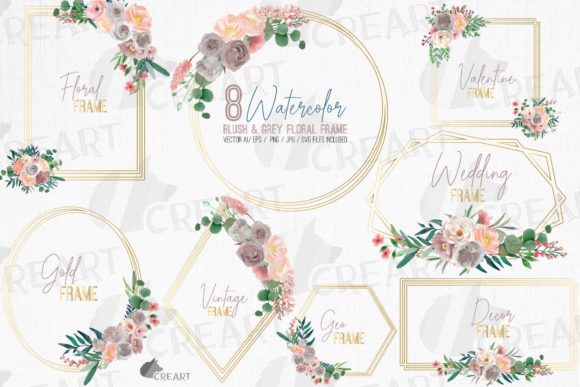
In a set focused on watercolor, the inclusion of three gold geometric frames might seem unexpected. Some creators might ignore them, sticking purely to the organic watercolor styles. This is a missed opportunity for contrast and sophistication. Pure watercolor designs can sometimes feel overly soft or informal for certain applications, like corporate event materials or modern luxury branding.
The gold geometric frames act as a design bridge. They introduce structure, modernity, and a touch of metallic luxury that perfectly complements the organic jasmine motifs. Using a gold frame around a watercolor floral background creates a balanced composition—the organic meets the orderly. This combination can be particularly powerful for projects that need to appeal to a broad audience, conveying both creativity and refinement.
Final Checks Before You Begin
Before integrating any new design asset set into your workflow, a few final checks can save considerable time and frustration. First, ensure your software can handle the file formats provided (PNG, JPG, PDF). Most design programs do, but it’s worth confirming. Second, examine the scale. Open one of the large PNG elements and zoom to 100% to appreciate the detail and ensure it meets your quality expectations. Third, plan your color scheme. While the set is in greens, see how these greens interact with your brand’s or project’s additional colors. Do they harmonize, or will you need subtle adjustments? Doing this mini-audit upfront allows you to proceed with confidence, knowing your tools are aligned with your vision.
Ultimately, the Jasmine Flowers Watercolor Clip Art collection offers more than just pretty pictures. It provides a foundation for efficient, high-quality design across print and digital mediums. By understanding its authentic origins, matching its technical specs to your project, utilizing its full coordinated system, and applying it thoughtfully within your creative context, you can avoid common pitfalls and unlock its full potential to beautify your work.