The Artful Utility of Hand-Drawn Clipart: A Guide to Digital Watercolor Florals
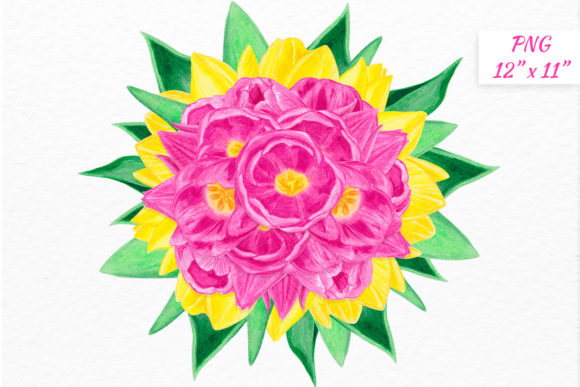
In the digital age, the charm of handcrafted artistry finds a new and vibrant expression. A single, exquisite image—like a watercolor tulip bouquet—can become a cornerstone for countless creative projects. This article explores the world of high-quality digital clipart, demystifying its purpose and showcasing its profound relevance in our modern creative, professional, and personal lives. We'll use a specific example—a hand-drawn watercolor Tulips bouquet in PNG format—to build a clear understanding from the ground up.
What is Digital Clipart, Really?
At its core, digital clipart is a ready-to-use graphic element. But moving beyond that basic definition is key to understanding its value. Unlike generic, often vector-based clipart from decades past, contemporary premium clipart, like the described tulips bouquet, represents a fusion of traditional artistry and digital precision. It is typically created by an artist using physical mediums—watercolors, inks, pencils—then scanned and digitized at high resolution. The result is a file that preserves every brushstroke nuance, color gradient, and organic imperfection of the original artwork.
The technical specifications of our example bouquet—PNG format with a transparent background, 300 dpi, RGB color, and a size of 12 x 11 inches (3600 x 3300 pixels)—are not just details; they are the pillars of its utility. A PNG file maintains quality while supporting transparency, allowing the bouquet to sit seamlessly over any other background. The 300 dots-per-inch (dpi) resolution ensures it prints crisply for physical products. The large pixel dimensions mean it can be scaled down for web use without loss of detail or enlarged significantly for large format printing. This combination makes it a versatile, professional-grade asset.
From Single File to Infinite Applications: The Practical Relevance
The significance of such a file lies in its multiplicative potential. One zip file containing one beautiful image can serve as the foundational decor for a vast array of projects. Its purpose is to elevate and personalize digital and physical design with a touch of authentic, organic beauty.
- Invitation & Greeting Card Design: This is a prime application. The bouquet can instantly set the tone for a spring wedding invitation, a Mother’s Day card, or a cheerful birthday greeting. The watercolor style conveys warmth and personal care, moving beyond the feel of stock photography.
- Wedding Design Suite: Beyond invitations, the consistent use of this floral motif can create a cohesive brand for a wedding. It can adorn programs, menu cards, place settings, thank-you notes, and even wedding website banners.
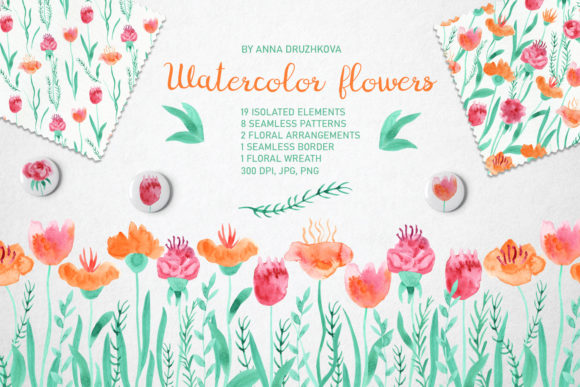
- Digital Marketing & Social Media: Bloggers, small businesses, and content creators can use the clipart to design engaging Pinterest graphics, Instagram story overlays, email newsletter headers, or website banners. The pink and yellow floral palette is inherently optimistic and eye-catching.
- Home & Personal Creativity: Individuals can use the file for crafting custom wall art, designing personalized stationery, or creating unique gifts like decorated photo albums or mugs using print-on-demand services.
Clarifying Common Assumptions About Clipart
There are lingering misconceptions about clipart that can undervalue its role.
Assumption 1: Clipart is low-quality and amateurish. This stems from the early days of digital design. Today, as our example illustrates, clipart can be high-resolution, artistically sophisticated, and created specifically for professional use. The "hand-drawn watercolor" descriptor is a direct counter to this assumption.
Assumption 2: Using clipart is unoriginal. On the contrary, premium clipart is a raw material for originality. It provides a unique artistic element that designers and creators then incorporate into their own layout, color scheme, and textual composition. The final design is a unique synthesis. It's akin to a baker using high-quality vanilla bean paste—it enhances their original recipe.
Assumption 3: It's only for people who can't draw. While it empowers non-artists, it also serves professional designers. It saves valuable time, provides a specific artistic style (like watercolor) that a digital designer may not specialize in, and ensures a consistent visual element across a large project or client brand.
Fitting into Modern Work and Creativity
The integration of such digital assets reflects broader trends in technology, business, and education. In a technology-driven workflow, efficiency is paramount. A ready-made, technically optimized asset allows creators to focus on layout, messaging, and strategy rather than asset creation from scratch. For small businesses and entrepreneurs, it offers a cost-effective way to access bespoke-level artistry without the budget for a custom illustration for every project.
In education, teachers and educational content developers use floral clipart to create engaging worksheets, classroom decorations, and presentation materials that are visually appealing to learners. Furthermore, understanding the specs—like PNG vs. JPG, transparent backgrounds, and DPI—is itself a practical digital literacy skill.
Building a Broader Understanding: The Ecosystem of Digital Assets
Viewing this tulip bouquet clipart not as an isolated product, but as part of a larger ecosystem, enriches our perspective. It represents a growing market for digital goods that support global creativity. Artists can share their work worldwide. Consumers gain access to styles and cultural aesthetics they might not find locally. This supports a democratization of design, where good taste and artistic flair are not gatekept by skill or location.
Furthermore, the choice of subject—a spring tulip bouquet—taps into universal themes of renewal, celebration, and natural beauty. This ensures its relevance across cultures and occasions, making it a timeless asset. When you receive that one zip file, you're receiving more than pixels; you're receiving a tool for communication, celebration, and branding.
Examples in Action: Natural Integration
Let's visualize a few concrete examples to see how this integration works naturally:
- A wedding planner uses the bouquet on the invitation. She then extracts a single tulip from the larger bouquet (using simple editing software) to create a repeating pattern for the wedding website's background.
- A stationery shop owner places the bouquet on a simple digital card template, adds a heartfelt message in a complementary font, and offers it as a limited-edition Spring Greeting Card for sale online.
- A teacher creating a lesson plan on plant biology uses the detailed bouquet as a decorative header on the handout, making the material more inviting to students.
In each case, the clipart is the consistent, quality visual anchor that elevates the entire project.
Conclusion: More Than Just a Pretty Picture
A hand-drawn watercolor tulips bouquet clipart, with its professional specifications and artistic integrity, is a powerful modern creative tool. It bridges the gap between traditional art and digital utility. Its purpose is to inspire and facilitate, saving time while adding undeniable beauty. Its significance lies in its accessibility and versatility, serving beginners and experts alike in fields from wedding planning to digital marketing. By understanding its true nature and dispelling outdated assumptions, we can fully appreciate its role in enriching our digital communications, celebrations, and daily creative pursuits. That one zip file is, ultimately, a key to unlocking a more beautiful and personalized design world.